
In line with the vision of Hon’ble Prime Minister Shri Narendra Modi of building a prosperous and self-reliant India through the mantra of “Sahkar se Samriddhi,” the Ministry of Cooperation is undertaking a series of regional workshops across the country to accelerate transformative reforms in the cooperative sector. Guided by the directions of Hon’ble Union Home and Cooperation Minister Shri Amit Shah, these initiatives aim to bring modern grain storage facilities closer to farmers, strengthen and expand the network of Primary Agricultural Credit Societies (PACS), diversify cooperative business activities, and promote deeper cooperation among cooperatives for the welfare of their members and beneficiaries.
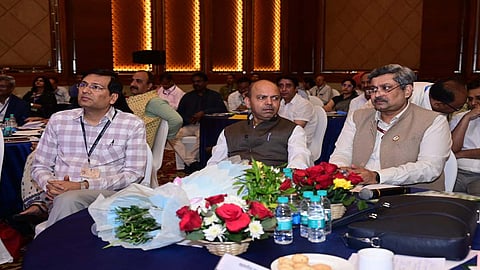
As part of this nationwide outreach, the first Regional Workshop on “Sahkar se Samriddhi” was held today at Jaipur, Rajasthan, with participation from senior officials of the Government of India, NABARD, national cooperative institutions, and representatives from various States and Union Territories. The workshop was designed as a focused platform for policy review, progress assessment, exchange of best practices, and preparation of time-bound action plans to further strengthen the cooperative ecosystem at the grassroots level.
The workshop served as an important forum for reviewing progress under key cooperative initiatives, discussing implementation challenges, and finalising actionable strategies to enhance the reach and performance of PACS, dairy cooperatives, fisheries cooperatives, and warehousing infrastructure across the country.
The inaugural session featured welcome remarks, followed by addresses from the Chairman, NABARD, the Additional Secretary, Ministry of Cooperation, and the Secretary, Ministry of Cooperation. The deliberations focused on strengthening the cooperative sector as a major driver of rural prosperity, employment generation, and inclusive economic growth.
A key session of the workshop reviewed the status of the World’s Largest Grain Storage Plan in Cooperative Sector (WLGSP). Discussions covered monitoring of loan sanctioning processes, implementation under Agricultural Marketing Infrastructure (AMI), PACS identification, land finalisation, DPR preparation, and operational coordination. States/UTs also presented their roadmaps to achieve grain storage targets by September 2026 and September 2027.
Representatives from FCI, NAFED, NCCF, CWC and SWC made presentations on progress under warehouse development, including location identification, district-wise requirements, hiring mechanisms, indicative rates, and plans for operationalisation of storage infrastructure.

The workshop also included a dedicated session on the WDRA Framework, where participants were briefed on onboarding PACS under the Warehousing Development and Regulatory Authority, simplified procedures, eligibility criteria, training support, and benefits available to cooperatives.
Another major focus area was the Formation and Strengthening of Multipurpose PACS (M-PACS) for FY 2026–27. States shared district-wise targets for new formations, registration, affiliation, and business development. Strategies were discussed to expand credit activities, increase deposits, diversify businesses, and significantly enhance income generation of PACS through structured interventions.
The sessions on dairy and fisheries cooperatives highlighted plans for strengthening existing societies, increasing membership, improving productivity, enhancing procurement systems, and building sustainable value chains. Revival strategies for weak cooperatives and integration with institutional finance systems were also discussed.
The Ministry of Cooperation reaffirmed its commitment to transforming the cooperative sector into a strong pillar of India’s rural economy through modernisation, transparency, professional management, and stronger participation of States and grassroots institutions. The Jaipur workshop is expected to further accelerate the implementation of cooperative reforms and contribute meaningfully to the vision of “Sahkar se Samriddhi.”
