
Thiruvananthapuram | The UDF government's proposal to slash taxes on low-alcohol beverages triggered a political row in Kerala on Saturday, with the opposition CPI(M) alleging that the move was designed to benefit liquor companies and could pave the way for corruption, a charge rejected by the ruling front.
Defending the budget proposal, state Excise Minister M Liju said the government had not taken any decision on introducing low-alcohol beverages in the state and that the move announced in the budget was only a financial decision relating to taxation.
He said it was the previous LDF government that had amended the Abkari Act in 2023 to create a separate category for low-alcohol beverages with alcohol content ranging from 0.5 per cent to 20 per cent and had introduced another amendment in 2025.
"The very leaders of the LDF who brought in these provisions are now criticising the move. What is the logic behind it," Liju asked while talking to reporters here.
The minister said no policy decision had been announced by the Excise Department and that detailed discussions on the state's liquor policy would be held after the Assembly session.
State Home Minister Ramesh Chennithala also defended the government, saying no new bars had been permitted since the UDF assumed office and maintained that its policy was aimed at gradually reducing alcohol consumption and availability in the state.
"No one should question our sincerity on this issue. We have a clear policy," he told reporters in Kozhikode.
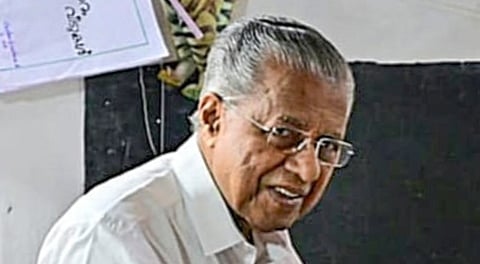
However, Leader of Opposition Pinarayi Vijayan termed the decision to reduce taxes on low-alcohol beverages as "highly suspicious" and said widespread criticism had emerged over allegations that liquor companies' commercial interests were behind the move.
He noted that while liquor produced from spirits currently attracts a tax of 251 per cent in the state, the budget proposed reducing it to 120 per cent for beverages containing up to 10 per cent alcohol, effectively granting a concession of more than half.
"When cheaper alcohol becomes widely available in the market, consumption will increase sharply," Vijayan said, alleging that the proposal would encourage alcohol use, particularly among the younger generation.
Questioning the rationale behind the move, he asked why the government had chosen to offer tax relief only for alcohol while failing to provide similar concessions to address people's livelihood concerns.
CPI(M) state secretary M V Govindan alleged that the proposal would allow private players to establish distilleries and manufacture low-alcohol beverages for sale.
"This is creating the ground for corruption," he alleged.
Former finance minister K N Balagopal said the previous LDF government had consciously avoided creating a separate tax slab for low-alcohol beverages as it did not want to encourage their introduction.
Former excise minister M B Rajesh alleged that the concession would facilitate the large-scale sale of ready-to-drink alcoholic beverages in the state under the guise of low-alcohol products and primarily benefit corporate liquor companies.
He claimed the move would result in a revenue loss of around Rs 600 crore to the state exchequer and alleged that liquor industry interests were behind the proposal.
Meanwhile, Thamarassery Bishop Mar Remigiose Inchananiyil also criticised the government's decision, saying it sent a wrong message to society and urged the government to withdraw the proposal.

