
AI generated summary, newsroom reviewed
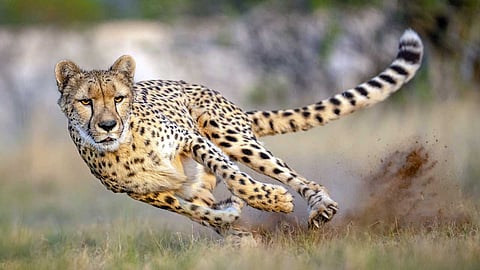
Madhya Pradesh wants visitors to think of it as India's wildlife heartland. At MP Travel Mart 2026, Chief Minister Dr. Mohan Yadav called wildlife and spiritual tourism the state's identity and described the state's 12 national parks and 9 tiger reserves as a biodiversity treasure. He linked the rise in forest tourism to the cheetah reintroduction that began on 17 September 2022. Twenty cheetahs were brought in, he said, and the number is now 60, with Rani Durgavati Tiger Reserve becoming the third cheetah habitat.
An MoU with Rajson Hotels covers proposed wildlife projects in Bandhavgarh, Satpura and Kanha with a potential ₹520 crore investment and about 375 direct jobs. Ramco Group's JKR Hospitality outlined sustainable wildlife resorts at ₹120–140 crore across Kanha, Kuno, Pench, Rani Durgavati, Sanjay Dubri, Ratapani, Bandhavgarh and Panna. Sarv Group, with Taj Safaris, discussed a ₹100 crore, 40-acre ultra-luxury resort at Madhai in Satpura.
Meanwhile, Keralites read wildlife headlines differently. In Wayanad and Idukki, elephants, tigers and wild boar are everyday farm and safety issues. For Kerala, wildlife is both a tourism draw and a source of local anger.
The lesson may not be that one state is ahead. Madhya Pradesh is expanding wildlife tourism rapidly, and Kerala has years of experience of what happens when people and wildlife share tight space. Each can learn from the other.

